Teens Unite

Teens Unite

Teens Unite 


Featured Project

Teens Unite 


At enims, we’re proud to support projects that deliver lasting benefits for both people and the environment. One such project is the creation of The Home of Teens Unite, which will become the first retreat in England dedicated to supporting teenagers and young adults living with, and beyond, cancer. The vision behind the project is to provide a permanent, fully accessible space where young people can rebuild confidence, develop new skills, form lasting friendships and access the support they need following a cancer diagnosis. Once operational, the retreat is expected to significantly increase the charity’s ability to support young people from across the UK.

Founded in 2007, Teens Unite was established after recognising that whilst many young people successfully overcome cancer medically, the lasting impacts on their mental health, confidence, education, employment prospects and social connections often continue long after treatment ends. Today, the charity provides vital support to young people aged 13-24 through activities, residential stays and development programmes designed to help them thrive, not just survive.

Following the granting of planning permission earlier this year, the project has moved into an exciting new phase. Supoorted by VolkerWessels UK, a growing team of specialists has been working behind the scenes to deliver the various pre-construction surveys and investigations needed to prepare the site for development.

As part of this process, enims was delighted to provide ecological support to the project team. Our involvement commenced with a Preliminary Ecological Appraisal (PEA), undertaken to identify habitats present on site, determine any ecological constraints and provide recommendations for further assessment where required. Early ecological input is an important part of the development process, helping to ensure protected species and habitats are appropriately considered as design and construction plans progress.


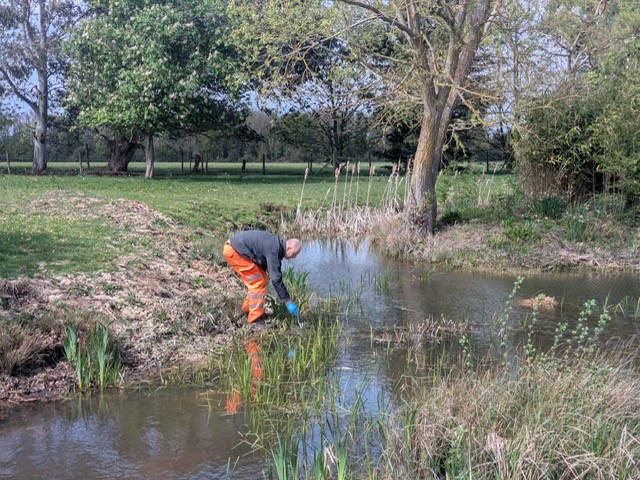
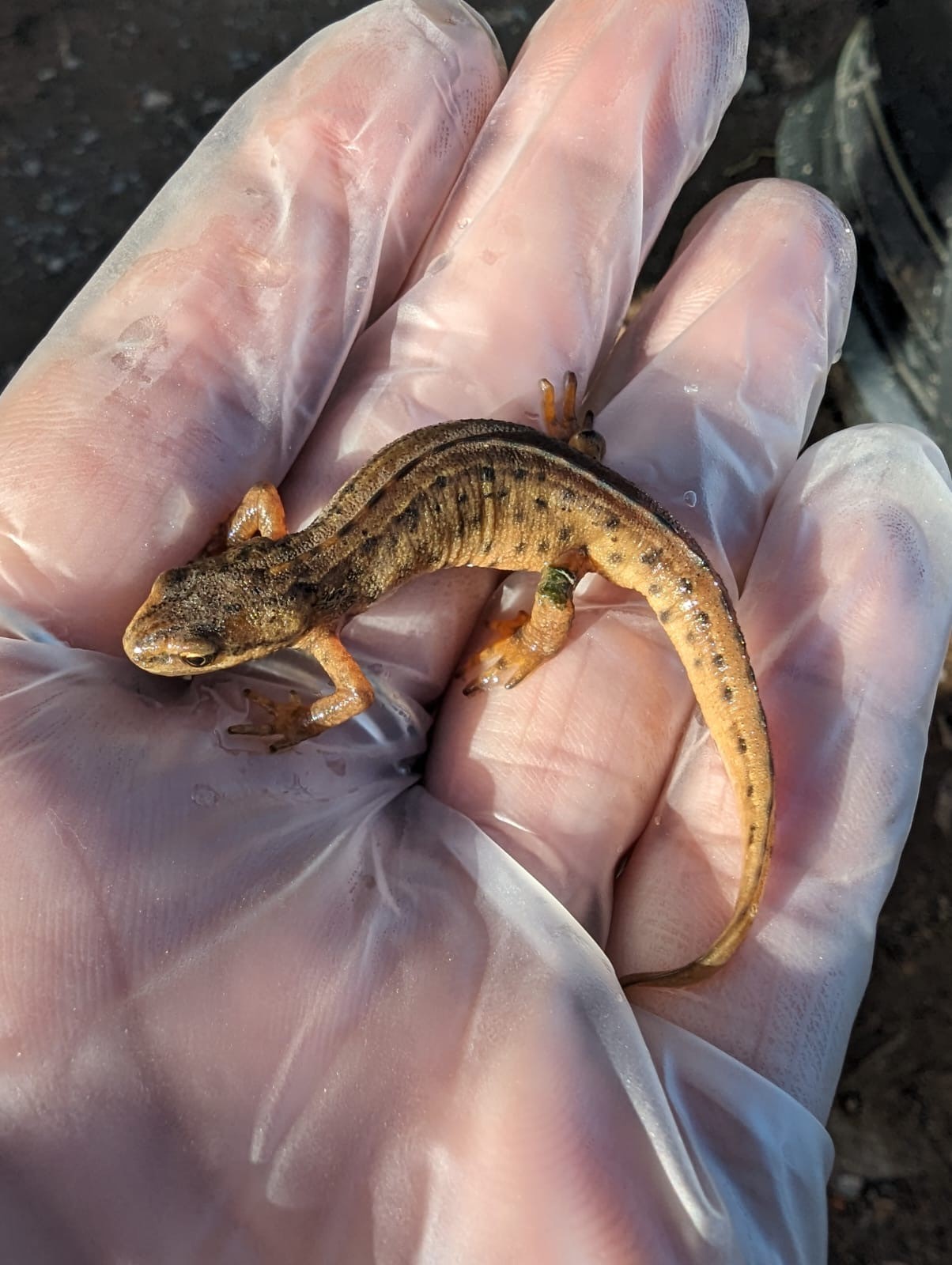
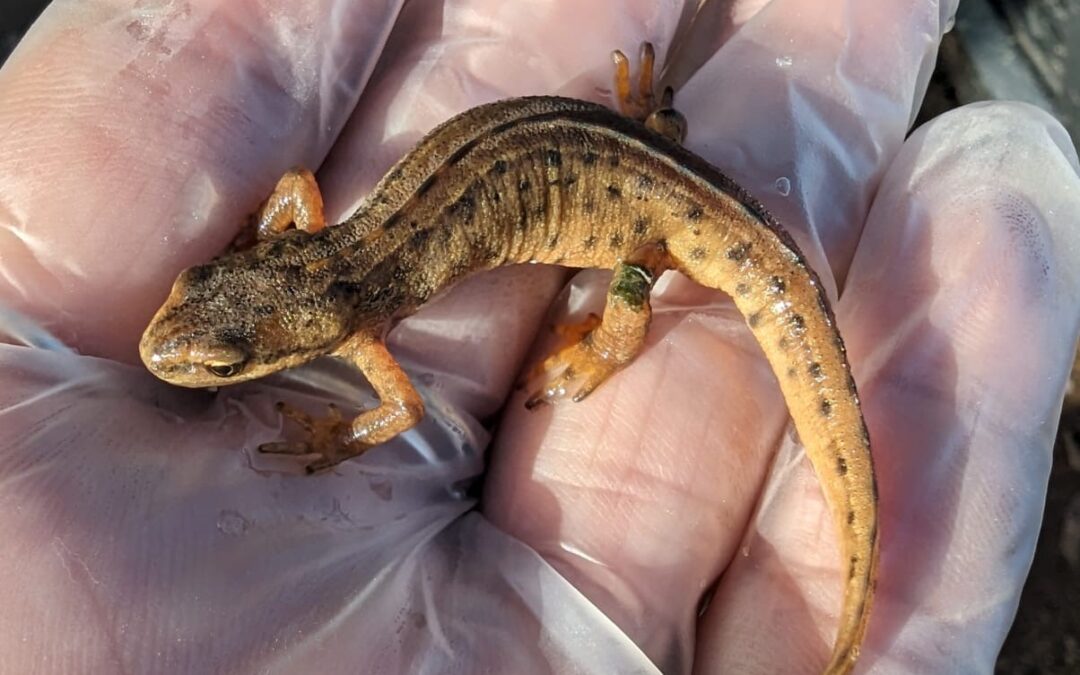
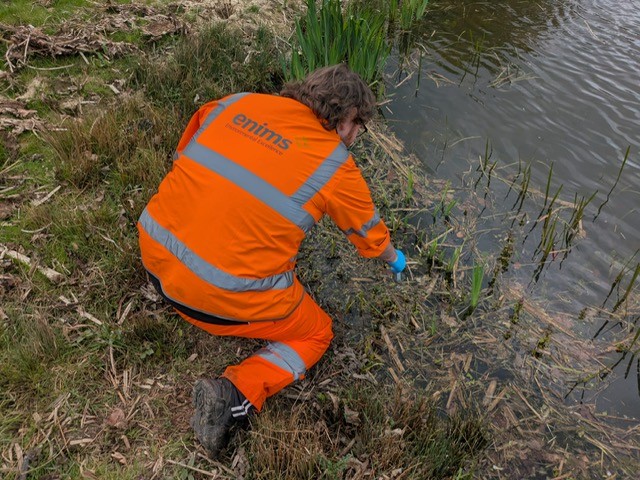
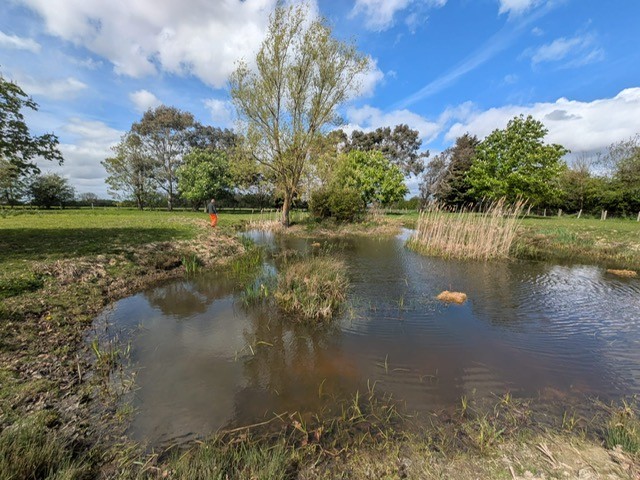
Following the findings of the PEA, enims went on to support the project with Great Crested Newt (GCN) surveys. Given the suitability of habitats within the local area and the need to ensure compliance with wildlife legislation, a precautionary approach was adopted to provide confidence that the project could continue to progress responsibly whilst protecting local biodiversity. By working collaboratively with the wider project team, we were able to support the ecological assessment process and provide the information required to help inform subsequent project decisions.

What makes this project particularly special is the social value it will deliver. The Home of Teens Unite represents far more than a construction project; it is the creation of a place designed specifically to support young people facing some of life’s most challenging circumstances. The retreat will provide opportunities for connection, recovery, personal development and long-term wellbeing to thousands of young people and their families for generations to come.

Every survey completed, every assessment undertaken and every milestone reached brings The Home of Teens Unite one step closer to becoming a reality, and we are excited to continue supporting the journey and see the outcome.
We are proud to play a small part in helping bring this vision to life and are grateful for the opportunity to support both Teens Unite and VolkerWessels UK on such a meaningful scheme. We look forward to continuing our involvement as the project progresses through its next milestones and towards construction, ensuring ecological considerations remain an integral part of delivering this remarkable facility.
Woodhouse Lane

Woodhouse Lane

Woodhouse Lane


Featured Project

Woodhouse lane

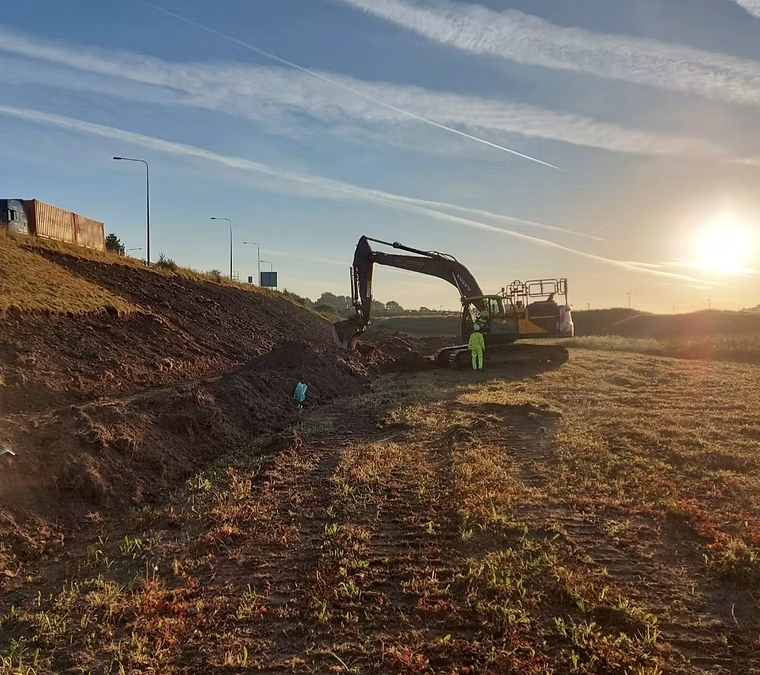
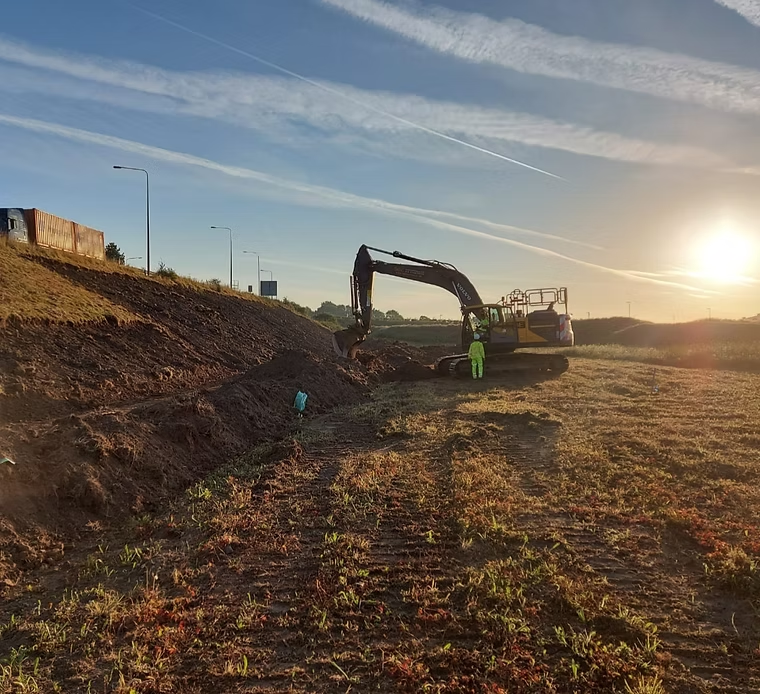
The area West of Woodhouse Lane in Botley is undergoing transformational works to include an upgrade to surrounding infrastructure to support a large housing development which will be developed in the future. VolkerFitzpatrick appointed enims as their designated ecological consultant to deliver ecological support throughout the whole life of the project. VolkerFitzpatrick needed a site local, reactive ecological company to assist them in the delivery of their project with a mindful but proactive approach to a range of ecological challenges, which included a variety of species surveys such as invasive species, badgers, amphibians and nesting birds in the works area.

VolkerFitzpatrick were keen to approach the project with the environment at the top of their priorities and employed enims to work alongside them because enims approached the project with the aim of working collaboratively with VolkerFitzpatrick whilst giving them and their contractors the support and knowledge which enabled a relationship to grow and a culture within all the teams onsite to value, recognise and protect the ecology on site.

Throughout the life of the project a broad variety of ecological constraints were identified and action taken. Fish breeding season and nesting bird season were particularly important on this site. Trout were found during earlier badger surveys in the brook connecting to the stream.

There were several ecological constraints that were found during the works that were not foreseen such as the discovery of Field voles (Microtus agrestis) and Hemlock water dropwort (Oenanthe crocata) however, these were all dealt with quickly and effectively to make sure the work could continue without negatively effecting the environment or the progress of the works.

throughout the life of the project a broad variety of ecological constraints were identified and action taken. Fish breeding season and nesting bird season were particularly important on this site. Trout were found during earlier badger surveys in the brook connecting to the stream.

Himalayan Balsam was found on the site and the surrounding areas, it was anticipated that this could be an area where enims and VolkerFitzpatrick could effectively work together and bring added benefit to the area being developed. A weekly walkover survey which also monitored badger activity and site wide ecological constraints soon became encompassed with checking for new Himalayan Balsam growth. As Himalayan balsam is extremely vigorous and out competes natural native plants which in turn effects the bees pollination of native plants and overall bio diversity of the area this was identified by enims to be of high priority in leaving the site in a better condition than before the works. A process was soon enabled by effective communication between enims and VolkerFitzpatrick whereby ecologists would begin the effective removal at the appropriate times.

Once the vegetation within and around the swale has grown, which will be a mixture of grass and wildflowers, it will trap organic and mineral particles which are then integrated into the soil, with the vegetation absorbing the nutrients. 

The quality of the water in the new river has improved and become very clear, which means that it is suitable for fish. As species of fish move through the river, they will be able to use the backwaters as resting places.

During the works, different amphibians were found around the previously existing stream, since species like common frogs tend to be found in areas of meadow or woodland around water sources, once the vegetation has started to grow this will become a valuable habitat for them. The ecologist went back around two weeks after this phase was completed and found a large number of tadpoles within the backwaters, meaning that the new river is already supporting the ecosystem, especially due to the algae that has begun to grow within the water, which provides a food source for the young tadpoles.